🖊️ Escrito por StampEzee Team
Actualizado 5 months ago
Qué poner en una tarjeta de fidelización que los clientes sí leerán
Las palabras y secciones exactas que hacen que tu oferta de fidelización sea clara, atractiva y fácil de completar.
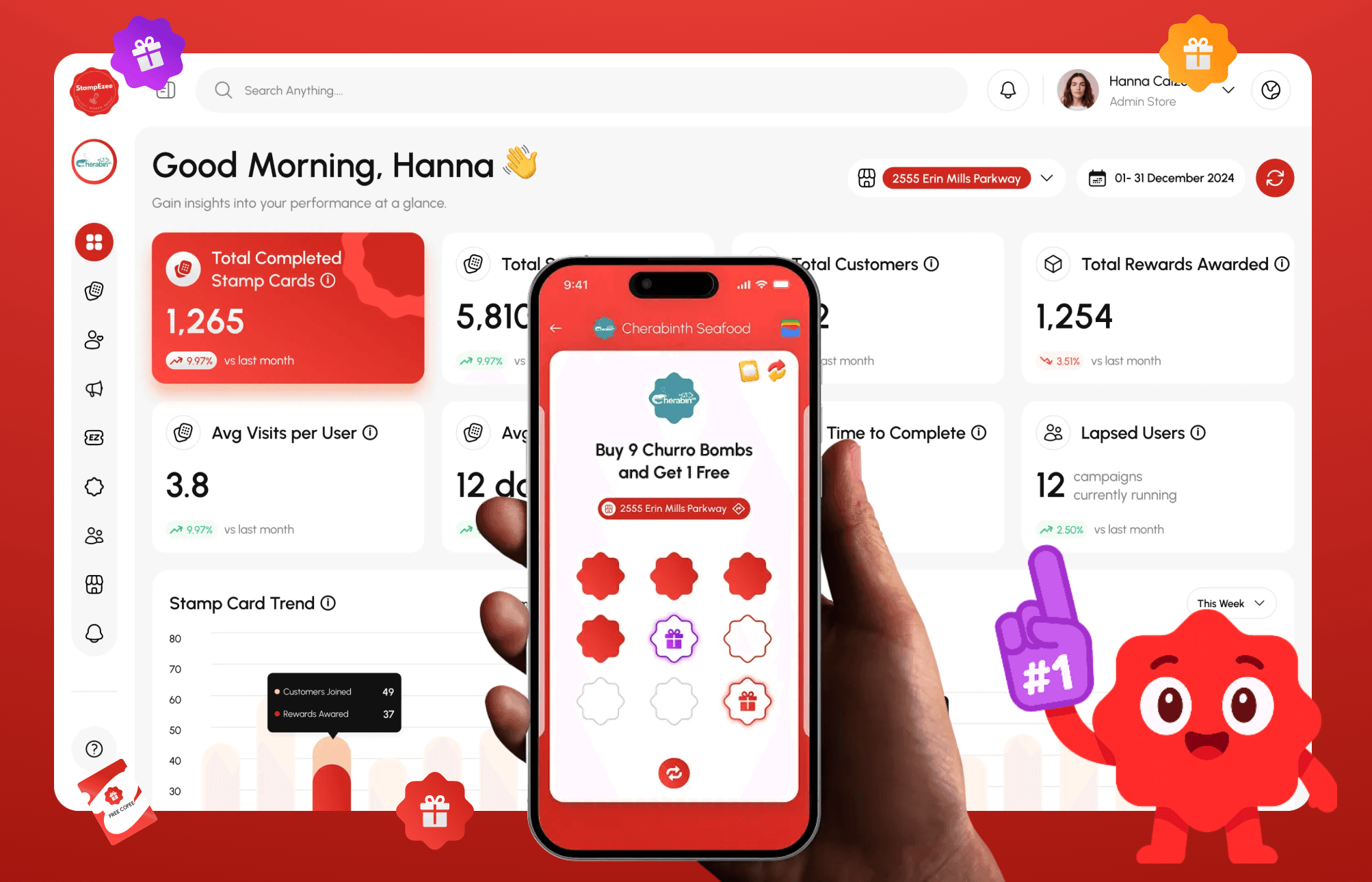
La mayoría de las tarjetas de fidelización fallan por una razón sorprendentemente simple: los clientes no las entienden lo suficientemente rápido. Si alguien tiene que esforzarse para leer, preguntar al personal o “verlo después”, tu programa de fidelización se vuelve invisible. Y cuando la fidelización se vuelve invisible, deja de influir en las visitas repetidas. Una gran tarjeta de fidelización es como un buen letrero de tienda: comunica valor en segundos. Les dice a los clientes qué obtienen, cómo obtenerlo y por qué vale la pena volver. La buena noticia es que no necesitas párrafos largos ni reglas complicadas. Necesitas claridad, una estructura limpia y unas pocas palabras bien elegidas. El creador de tarjetas de sellos de StampEzee está diseñado con esta idea: límites de texto cortos, secciones claras y un diseño fácil para el cliente que se ve muy bien en la app. Aquí tienes qué poner en tu tarjeta de fidelización para que los clientes realmente la lean y actúen.
Start with a title that instantly tells customers what it is
Your title shouldn’t be generic like “Loyalty Card” or “Rewards.” It should sound like something a customer would want to join.
Strong title patterns:
“Coffee Club” / “Daily Brew Club”
“VIP Rewards”
“Fresh Cuts Rewards”
“Sweet Tooth Stamps”
“Wash & Save Club”
“Glow Membership”
“Regulars Program”
The title is the first thing customers see in the app. If it feels warm and specific, people trust it more and engage faster.
StampEzee tip: Keep the title short and punchy. When it’s short, it looks clean on the card and is easier to remember.
Your reward line should be the clearest line on the card
This is the “money line.” If a customer reads only one line, it should be this.
Use simple reward phrasing:
“Collect 8 stamps, get a free upgrade.”
“Complete 10 visits, your next dessert is on us.”
“6 washes = 1 premium wash free.”
“Book 5 appointments, get a bonus add-on.”
Avoid unclear phrasing like “earn points” without explaining value, or “exclusive offers” without a concrete example. A loyalty program is not a mystery — it’s a promise.
StampEzee tip: Put the number first (“8 stamps”) and the reward next (“free upgrade”). That order reads fastest.
Add a one-line “why it’s worth it” sentence
Customers don’t just want a reward. They want to feel good about joining.
A short supporting line in your “Offer Details” makes your card feel more inviting and brand-like.
Examples:
“Made for our regulars — thanks for coming back.”
“Small rewards, every time you visit.”
“Your visits add up — enjoy the perks.”
“Because you deserve a little extra.”
This line doesn’t explain rules. It creates emotion and belonging.
Keep your “Offer Details” section short — and make it customer-facing
Most “Offer Details” text reads like a business brochure. Customers don’t care.
Instead, write it like you’re talking to a regular at the counter.
Good About copy sounds like:
“Scan your QR each visit to collect stamps. Redeem anytime after completion.”
“Use this card every time you order. Rewards unlock faster than you think.”
“Join once, collect stamps automatically, and enjoy perks made for you.”
Avoid: long stories, brand history, menus, or anything that doesn’t help customers use the card.
StampEzee tip: In the builder, shorter copy looks better and gets read more. Think “helpful” not “formal.”
Add 2–4 simple “How it works” bullets (only if needed)
Some businesses benefit from a micro “how-to” section — especially if the loyalty flow is new to customers.
Example bullets:
“Show your QR at checkout.”
“Earn 1 stamp per visit.”
“Redeem after 8 stamps.”
“Enjoy your reward instantly.”
Keep it extremely short. If your bullets become paragraphs, they won’t be read.
Rules: only the rules that protect your business (and keep them friendly)
Rules are important, but too many rules make customers feel like you’re trying to trap them.
Only include rules that genuinely matter:
Minimum spend to earn a stamp
Time delay between stamps (if you use it)
Any exclusions (only if necessary)
Expiry (if applicable)
Friendly ways to write rules:
“1 stamp per qualifying purchase.”
“Stamps apply on orders over $X.”
“Stamps can be collected once per visit.”
“Rewards valid for X days after completion.”
StampEzee tip: If you use advanced controls (like time delays or minimum spend thresholds), keep the customer-facing rule text simple. Let the system enforce the complexity quietly.
The visual layout matters more than most people think
Even the best text fails if the card looks crowded.
A card feels “readable” when:
Titles are short
The reward line stands out
Sections are spaced nicely
Only important text is included
StampEzee cards are designed to look clean in-app, and the builder encourages short copy so your message stays sharp.
Add an expiry only when it helps (not by default)
Expiry can create urgency, but it can also create resentment if customers feel rushed.
Expiry makes sense when:
Your product is seasonal
Prices change often
You want to limit old rewards from being redeemed forever
If your business thrives on long-term regulars, “no expiry” can be a better experience.
StampEzee tip: If you do use expiry, keep it generous and clearly stated so it feels fair.
A smart “next step” line can increase sign-ups
Some customers are ready to join immediately. Help them.
Simple call-to-action lines:
“Join now — it takes 10 seconds.”
“Start collecting today.”
“Scan, collect, redeem.”
“Your next reward starts now.”
This works especially well if you display the card as part of a campaign email or on in-store signage.
A simple loyalty card template you can copy
If you want a proven structure, here’s a clean layout that fits most small businesses:
Title: “(Your Brand) Rewards Club”
Reward line: “Collect 8 stamps, get a free (upgrade/add-on).”
How it works: “Show your QR each visit • 1 stamp per visit • Redeem after completion.” A little thank-you for coming back.
Rules (only necessary ones): “Valid on orders over $X • 1 stamp per visit.”
This format stays readable, looks clean in-app, and feels professional.
Summary
Customers read loyalty cards that are clear, short, and visually clean. The essentials are: a specific title, a crystal-clear reward line, a short value sentence, and only the rules that truly matter. Everything else is optional. With StampEzee, you can structure your card with the right sections, keep text within readable limits, and create a loyalty experience that feels effortless — which is exactly what drives repeat visits.
¿Fue útil este artículo?
Más blogs para loyalty & rewards

Cómo diseñar una recompensa de lealtad que las personas realmente quieran
Ideas de recompensas que emocionan a los clientes sin dejar de ser rentables para tu negocio.

Las mejores estructuras de programas de lealtad para pequeñas empresas
Cinco marcos probados que aumentan las visitas repetidas, y cómo elegir el adecuado para tu industria.
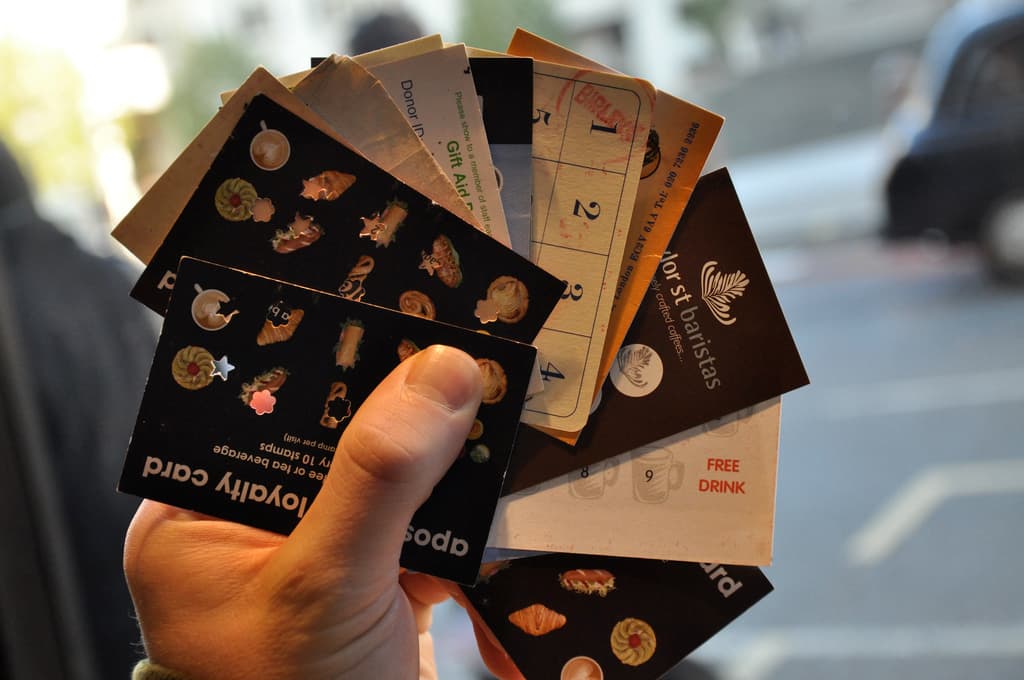
Tarjetas de sellos digitales vs. tarjetas perforadas: ¿qué aumenta realmente las visitas repetidas?
Una comparación práctica de lo que impulsa la lealtad real y de dónde las tarjetas de papel pierden clientes silenciosamente.