🖊️ Written by StampEzee Team
Updated 4 months ago
Digital Stamp Cards vs Punch Cards: What Actually Increases Repeat Visits?
A practical comparison of what drives real loyalty — and where paper cards quietly lose customers.
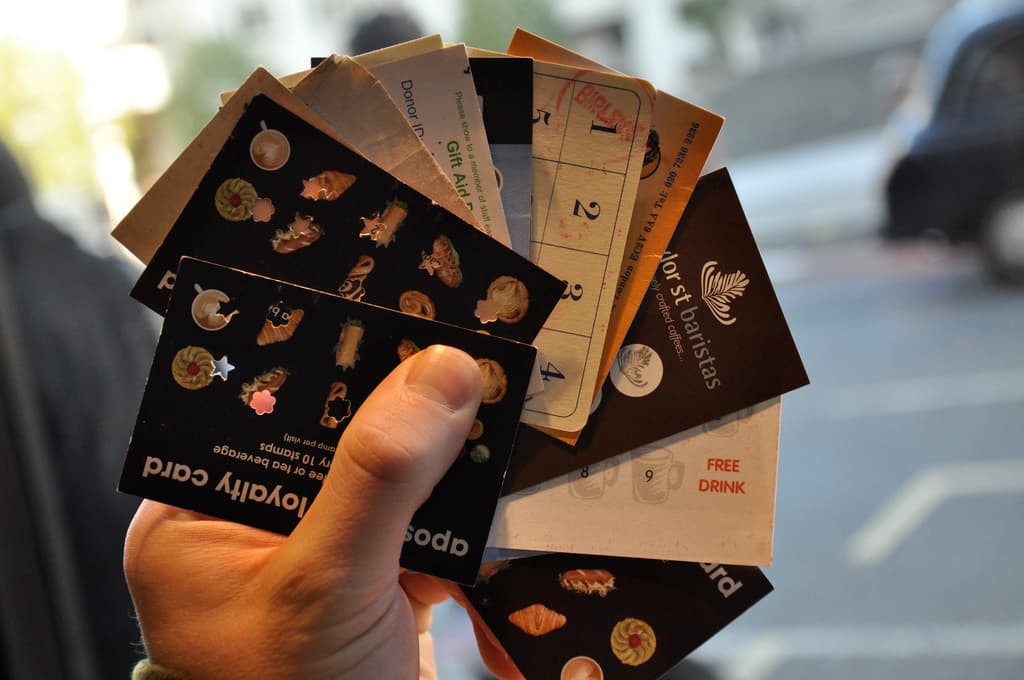
If you run a café, salon, restaurant, car wash, clinic, or any local business, you’ve probably tried a punch card at some point. It’s simple, familiar, and feels “low effort.” But here’s the hard truth: punch cards often fail for reasons that have nothing to do with your offer. Customers forget them. Staff skip punching when it’s busy. Cards tear, fade, get lost, or sit in wallets until the reward is no longer exciting. Digital stamp cards solve those everyday problems — but not because they’re “tech.” They win because they reduce friction, increase visibility, and let you follow up at the right moments. The result is usually the same outcome every business wants: more repeat visits, more consistent customer habits, and more predictable revenue. This blog breaks down what actually increases repeat visits and helps you decide when punch cards are enough — and when digital loyalty is the smarter move.
The biggest difference is friction (and friction kills repeat visits)
With punch cards, loyalty depends on two things going right every time: the customer must remember the card, and your staff must remember to punch it. That’s a fragile system. One missed punch or a forgotten card is a small disappointment — and small disappointments add up. Eventually, customers stop caring.
Digital stamp cards cut friction immediately. The customer doesn’t need to carry anything. They simply show a QR code in the app, your staff scans it, and the stamp is added in seconds. When loyalty is effortless, customers participate more consistently, and consistency is the foundation of repeat visits.
Visibility = motivation (digital shows progress; paper hides it)
A punch card is “out of sight, out of mind.” If it’s in the glove box, drawer, or buried in a wallet, it doesn’t influence customer behavior. That means your loyalty program isn’t actively driving return visits — it’s passively waiting for someone to remember it.
Digital stamps keep progress visible. Customers can open the app and instantly see how close they are to a reward. That progress becomes a reason to choose you over a competitor, especially when they’re deciding where to go today.
This is why digital loyalty often increases repeat visits even when the reward itself is the same.
Digital loyalty works even when customers don’t visit in person
Paper cards only work when someone comes to your counter and you physically punch it. That’s limiting.
With StampEzee, you can also reward customers in scenarios where punch cards can’t keep up, like:
Delivery and takeaway orders using EzeeCodes
Special campaigns where you give bonus stamps
“Welcome” rewards for first-time customers
Milestone rewards after multiple completions
If your business has both in-store and online order behavior, digital loyalty covers the full journey instead of only the “in-store, card in hand” moment.
Timing matters: digital lets you bring customers back (punch cards can’t)
Punch cards don’t help you re-engage someone who hasn’t visited in weeks. They just sit there silently.
Digital loyalty gives you a major advantage: you can run targeted win-back and milestone campaigns. For example:
A friendly “We miss you” message to lapsed customers
Birthday/anniversary rewards that feel personal
A reminder when someone is close to completing a reward
Seasonal promos tied to real customer activity
These aren’t “spam blasts.” When done well, they feel like helpful nudges — and nudges drive repeat visits.
Staff behavior is the hidden reason punch cards fail
Even a great loyalty program collapses if staff execution is inconsistent. With punch cards, staff can accidentally punch wrong, forget to punch, run out of cards, or make exceptions that lead to confusion and abuse.
A digital flow is cleaner and easier to standardize. In StampEzee, you can create Loyalty Executive access for staff so stamping stays consistent, track activity, and reduce errors. That consistency protects your customer experience and your business margins.
Fraud and “free reward leakage” is far easier with paper
Punch cards are surprisingly easy to abuse. Extra punches, fake punches, lost cards with “almost full” stamps, or staff giving stamps casually — it all adds up, and most owners never realize how much it costs them over time.
Digital loyalty gives you control. You can set rules like:
Time delay between stamps (prevents rapid stamping abuse)
Minimum spend thresholds (stamps only after qualifying purchase)
Stamp limits and structured reward logic
Approval-based controls for special stamp grants (where required)
This isn’t about being strict — it’s about making your loyalty program sustainable.
What actually increases repeat visits
Repeat visits go up when the loyalty experience is:
Easy to use (low friction)
Visible and motivating (clear progress)
Personalized (the right message at the right time)
Consistent (staff execution is smooth)
Flexible (works across in-store + online)
Punch cards can sometimes hit “simple.” Digital stamp cards can hit all five.
When punch cards are still okay
Punch cards can still work if:
You’re testing loyalty for the first time with a tiny customer base
Your business is low volume and staff is consistent
You don’t need campaigns, reminders, or insights
You’re okay with loyalty being “passive” rather than actively driving returns
If your goal is “basic loyalty,” paper may be enough. But if your goal is “growth loyalty” — where the system drives repeat visits intentionally — digital is the better tool.
How to switch to digital without confusing customers
A smooth transition usually looks like this:
First, you launch your digital card with a simple offer (keep the same reward customers already understand). Next, you place a small QR sign at checkout (“Collect stamps in 2 seconds”). Then, for 2–3 weeks, you allow staff to help customers onboard quickly. After that, you start adding enhancements like birthday rewards, win-back campaigns, or completion-path rewards.
Customers don’t resist the switch when the reward is clear and the process feels easier than before.
Summary
Punch cards can create loyalty, but they rely heavily on memory and perfect execution. Digital stamp cards remove the friction, keep progress visible, support campaigns, reduce reward leakage, and work across more customer touchpoints. If repeat visits are a serious revenue lever for your business, digital loyalty usually creates a bigger and more measurable impact.
Was this article helpful?
More Blogs for loyalty & rewards
What to Put on a Loyalty Card (That Customers Will Read)
The exact words and sections that make your loyalty offer clear, attractive, and easy to complete.

How to Design a Loyalty Reward People Truly Want
Reward ideas that feel exciting to customers — while staying profitable for your business.

The Best Loyalty Program Structures for Small Businesses
Five proven frameworks that increase repeat visits — plus how to choose the right one for your industry.