🖊️ Written by StampEzee Team
Updated 3 months ago
The Best Loyalty Program Structures for Small Businesses
Five proven frameworks that increase repeat visits — plus how to choose the right one for your industry.
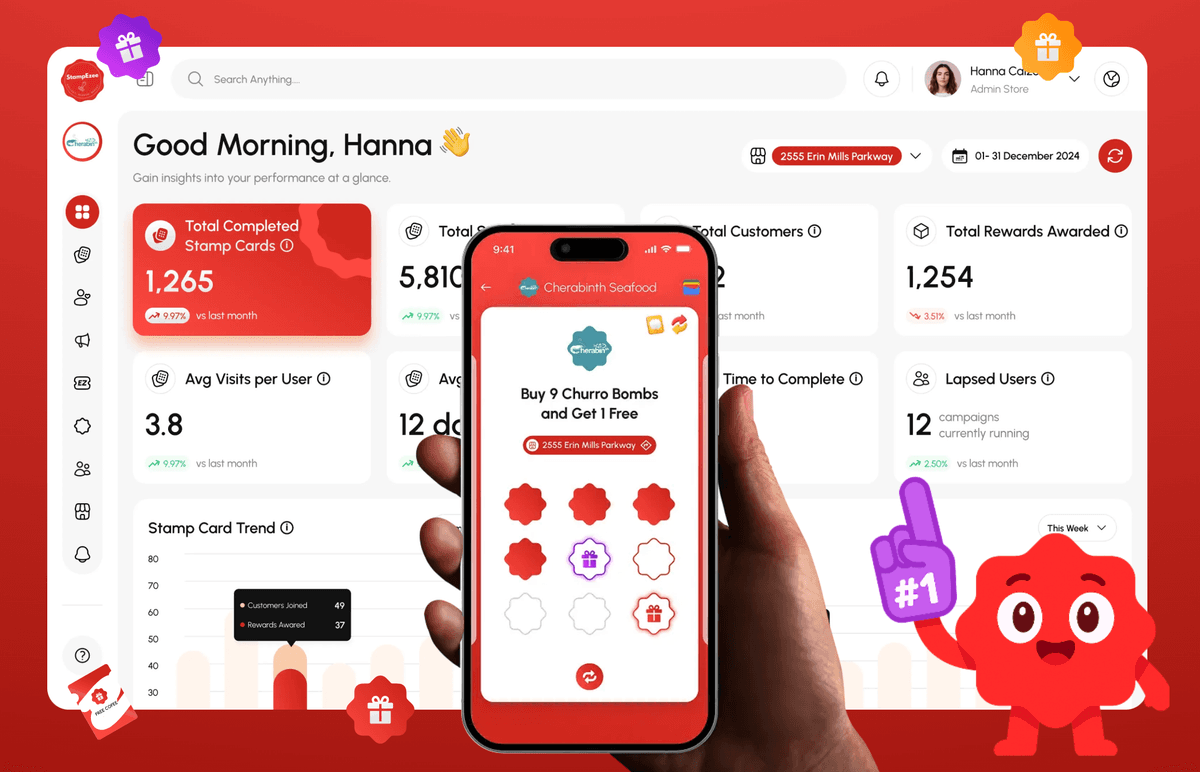
Small businesses don’t need complicated loyalty programs. They need loyalty programs that actually get used. The best structure is the one customers understand instantly, staff can run easily, and your margins can support long-term. That’s why loyalty isn’t “one-size-fits-all.” A café, salon, car wash, and restaurant can all use stamps — but the structure behind those stamps should match how often people visit, how much they spend, and what makes them come back. StampEzee is built to support multiple loyalty structures — from simple stamp cards to tiered rewards, birthday campaigns, win-back automation, bonus stamps, scratch cards, and completion paths. Below are the most effective loyalty program frameworks for small businesses, with guidance on when to use each.
Classic Stamp Card (Simple “Collect X, Get Y”)
This is the most popular structure for a reason: it’s simple, fast, and customers immediately understand it.
How it works:
Customers earn 1 stamp per qualifying purchase. After they collect a set number (like 6, 8, or 10), they redeem a reward.
Best for: cafés, bakeries, quick-service restaurants, bubble tea, dessert shops, retail stores, basic service businesses.
Why it works:
It creates a clear finish line. Customers can see progress and feel motivated to return.
How StampEzee makes it better:
The stamp card lives in the customer app (no “forgot my card” problem), stamping is quick via QR scan, and you can add rules like minimum spend or time delay between stamps to protect margins and prevent abuse.
Tiered Rewards Set-up
Tiered Rewards turn “ordinary purchases” into a journey. They’re great when you want loyalty to feel personal without being complicated.
How it works:
Customers receive these rewards at meaningful points you set up, such as first visit, fifth visit, halfway milestone, etc.
Best for: restaurants, cafés, wellness and fitness, clinics, services where relationships matter.
Why it works:
People remember moments more than mechanics. Tiered rewards motivate them to keep going until they hit the finish line.
How StampEzee supports it:
You can run milestone and birthday/anniversary campaigns that feel personal. You can also design special rewards at specific points so customers feel “noticed,” not marketed to.
Win-Back Loyalty (Re-Engage Lapsed Customers Automatically)
Many businesses spend heavily on new customers while ignoring the easiest wins: customers who already visited and simply drifted away.
How it works:
If a customer hasn’t visited in a set period, they receive a gentle nudge, often paired with a small perk to restart momentum.
Best for: restaurants, cafés, salons, spas, gyms, car wash, subscription-like services, any business with repeat potential.
Why it works:
It brings customers back before they forget you completely. A timely message often beats a bigger discount sent too late.
How StampEzee supports it:
You can automate win-back campaigns based on inactivity windows (like 7/14/21/30 days). You can also attach incentives like bonus stamps, a reward unlock, or a scratch-card style reveal to make the return feel exciting.
“Surprise & Delight” Loyalty (Scratch Cards + Bonus Rewards)
Some programs work because they’re fun. This structure adds novelty without turning your loyalty into something confusing.
How it works:
Customers unlock a surprise reward after certain actions, such as a visit streak, a redemption, a special day, or a campaign.
Best for: bars, restaurants, cafés, dessert shops, retail, anywhere customer experience and excitement matter.
Why it works:
Novelty creates engagement. Customers return sooner because they’re curious, and they talk about it more because it feels different.
How StampEzee supports it:
You can use scratch-card style reward reveals, bonus stamps for specific triggers, and structured reward setups so the “surprise” stays controlled and profitable. You can keep it brand-safe and avoid anything that feels like chance-heavy messaging.
Hybrid Structure (Best for Most Businesses)
The strongest loyalty programs usually combine two or three structures in a clean way.
A common high-performing mix looks like this:
A simple stamp card as the foundation, milestone rewards to add personality, and win-back automation to prevent drop-off. Then you add completion paths or surprise elements once customers are actively using the program.
Why hybrids work:
They keep things simple upfront while giving you room to grow without redesigning the whole system later.
Why StampEzee is built for this:
You can start with a basic stamp card and then layer in tiered rewards, birthday campaigns, EzeeCodes for online orders, bonus stamps, and completion paths as you mature.
How to choose the right structure in 3 questions
If you’re unsure where to start, these questions make the choice obvious:
How often do customers visit?
If weekly or bi-weekly, classic stamps + milestones works extremely well. If monthly, consider fewer stamps or stronger incentives. If quarterly, focus on milestone-style reactivation.
What’s your average order value?
If AOV is lower, use smaller perks (upgrades, add-ons, bonus items). If AOV is higher, offer stronger rewards but protect them with rules like minimum spend thresholds.
Do you want loyalty to be passive or active?
Punch-style loyalty is passive. Digital loyalty becomes active when you use campaigns, win-back nudges, and completion journeys to influence behavior.
A simple “starter setup” we recommend
If you want something that works for most small businesses, start here:
Set up an 8-stamp card with a reward that protects margins (upgrade, add-on, or a small free item). Add a birthday reward that feels personal. Then enable a win-back campaign that triggers after a customer hasn’t visited for a set period. Once the program is stable, introduce a stronger second-completion reward or a fun reveal experience after redemption.
This creates a loyalty loop instead of a one-time reward.
Summary
The best loyalty program structure is the one customers use, staff can run smoothly, and your business can afford long-term. Classic stamp cards work because they’re simple, tiered rewards work because they build status, milestones work because they create emotional loyalty, win-back automation works because it prevents drop-off, and surprise rewards work because they add excitement. Most small businesses see the strongest results with a clean hybrid approach.
Was this article helpful?
More Blogs for loyalty & rewards
What to Put on a Loyalty Card (That Customers Will Read)
The exact words and sections that make your loyalty offer clear, attractive, and easy to complete.

How to Design a Loyalty Reward People Truly Want
Reward ideas that feel exciting to customers — while staying profitable for your business.